When you open a kitchen cupboard in Britain, you might find sliced bread, canned soup, cereal bars, and ready-made sauces alongside fresh vegetables. This reflects a broader pattern across modern UK households. According to the FSA, ultra-processed food is the second-biggest concern for UK consumers, with 77% worried about it, right after rising prices.
Many people search online for “how to remove ultra-processed foods from diet,” hoping for a simple list of foods to avoid. Instead, they are met with conflicting information. This article explains what “ultra-processed” means, why some foods are hard to categorise, and what changes can make an actual difference to the British diet.
What Ultra-Processed Food Means
Ultra-processed is a term from NOVA, a food-classification system developed by Brazil’s researchers. This system divides food into four categories. The group ranges from fresh foods, like an apple, to manufactured items that contain ingredients not typically used in home cooking.
Examples include factory-made bread with dough conditioners, flavoured yoghurts with stabilizers, or chicken nuggets made from processed meat and additives. These items have a longer shelf life and cost less to produce.
A tin of baked beans or a wholemeal loaf is considered processed food, but it is different from sugary drinks or sweets. Because of this, checking the ingredients list is more helpful than relying solely on front-of-pack claims.
What The Evidence Actually Shows
People are worried about ultra-processed foods for reasons beyond weight gain. A British Heart Foundation report found that ultra-processed foods make up over half of the typical British diet, which is more than in any other European country. Eating a lot of these foods is connected to a greater chance of developing high blood pressure, heart problems, and type 2 diabetes. Researchers are still discussing why this happens, but healthier foods are often more expensive and less accessible to shoppers.
Common Foods That Surprise People
Here are a few common foods that surprise many consumers across the UK:
Drinks That Count As Ultra Processed
You can find some surprising things in the drinks aisle. A common question people type into Google is “Is diet coke an ultra processed food?” and under the NOVA system, the answer is yes.
Diet Coke contains the following:
- Sweeteners
- Colourings
- Phosphoric acid
- Preservatives
It shares similar processing traits with items like crisps and instant noodles, even though it contains no sugar or fat. Drinking Diet Coke once in a while won’t cause any issues.
Breakfast Items That Carry The Label
Even though the boxes claim they are healthy, breakfast cereals and flavoured porridge packets that say they have a lot of fibre have the same label. This shows that the term applies to more products than people usually think. For a visual representation, explore this guide, which illustrates how quickly relying on packaged supermarket staples can affect long-term health markers.
Ready Meals And Shop Sauces
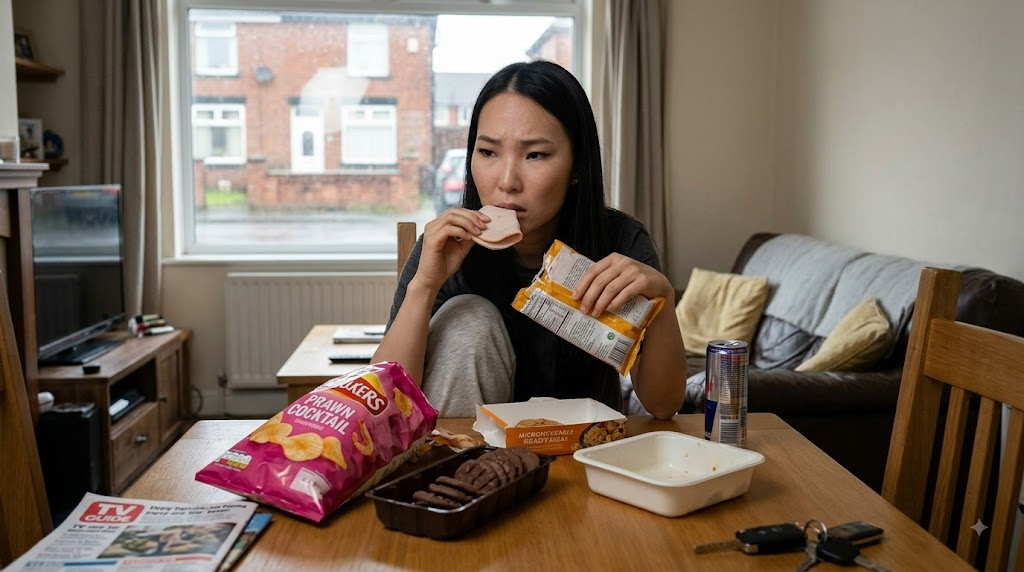
Many people are amazed by ready-made meals and jarred pasta sauces. Even though they still need to be heated on a stove or in the oven, it feels like you are cooking at home. However, the ingredients inside often tell a different story about how these meals are made.
Practical Steps To Improve Your Diet
Here are a few practical steps to improve your diet and avoid ultra-processed foods:
Step 1: Swap One Staple At A Time
Most families cannot avoid processed foods completely, and trying too hard can make things worse. It is more helpful to think about what you eat over a whole week than to focus on just one food. Making small changes, like using a sauce you made yourself instead of one from the store, is more likely to become a habit than trying to change all at once.
Step 2: Build Small Habits Into The Week
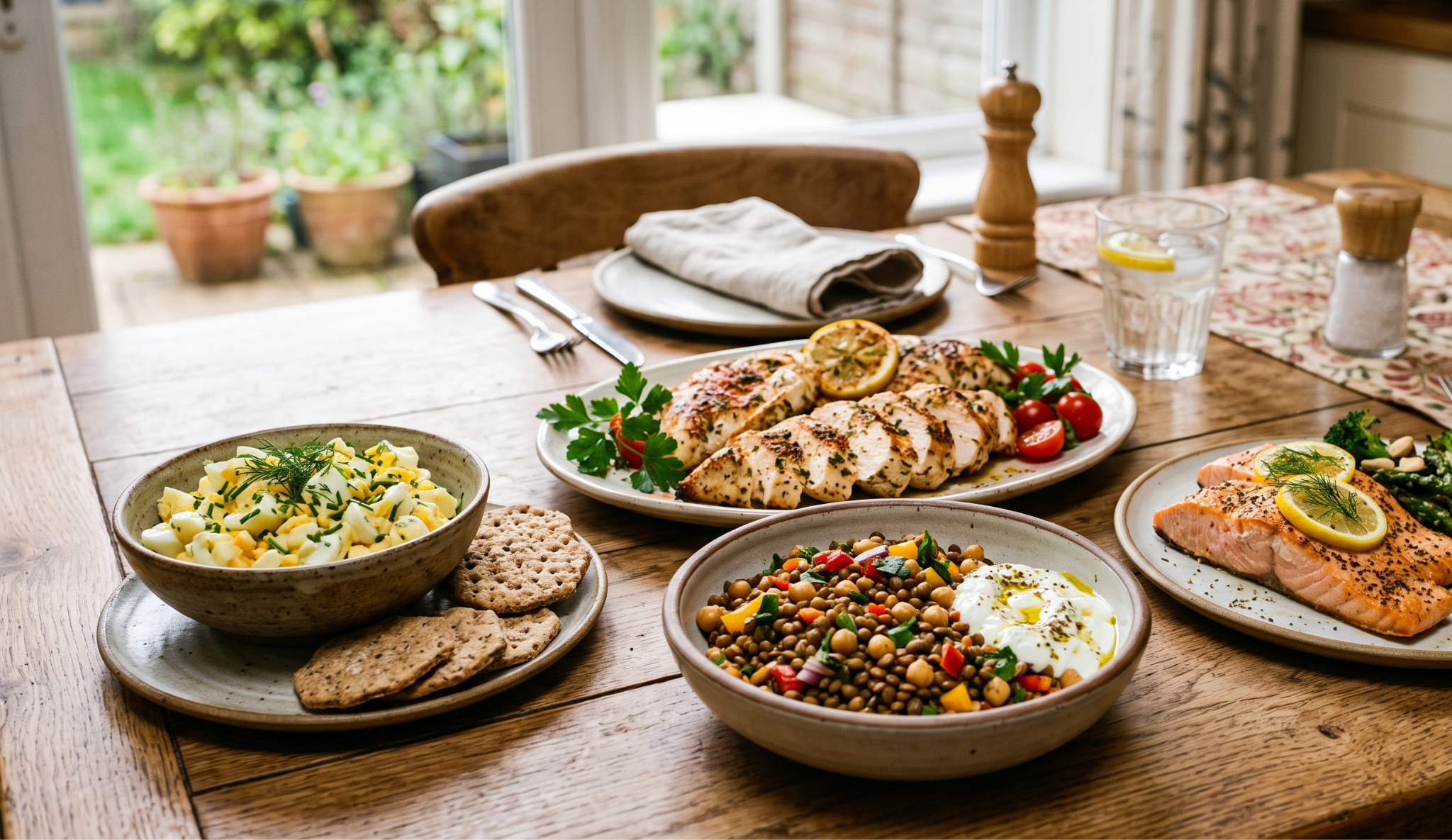
Cooking from scratch two times a week and carefully reading food labels can really add up. The wonderful smell of onions cooking down in a pan, or the scent of bread rising on the counter, reminds you daily that simple food, with few ingredients, can be incredibly delicious.
Step 3: Allow Room For Occasional Treats
Grabbing biscuits or a quick meal when you are short on time won’t completely derail your healthy eating purposes. It’s easier to maintain good habits if you see convenience foods as just another option, not something you have to avoid.
Balancing Convenience and Health in Everyday Diets
For many in Britain, convenient food is a daily reality, making high ultra-processed food consumption a serious health issue rather than a passing fad. It’s not about completely avoiding all packaged foods.
Making small, consistent adjustments, such as cooking at home a few times a week and reading food labels, can build a healthier eating pattern over time. Make one healthy change to a meal this week. For more information, reach out to us at Sweet Decadence now.