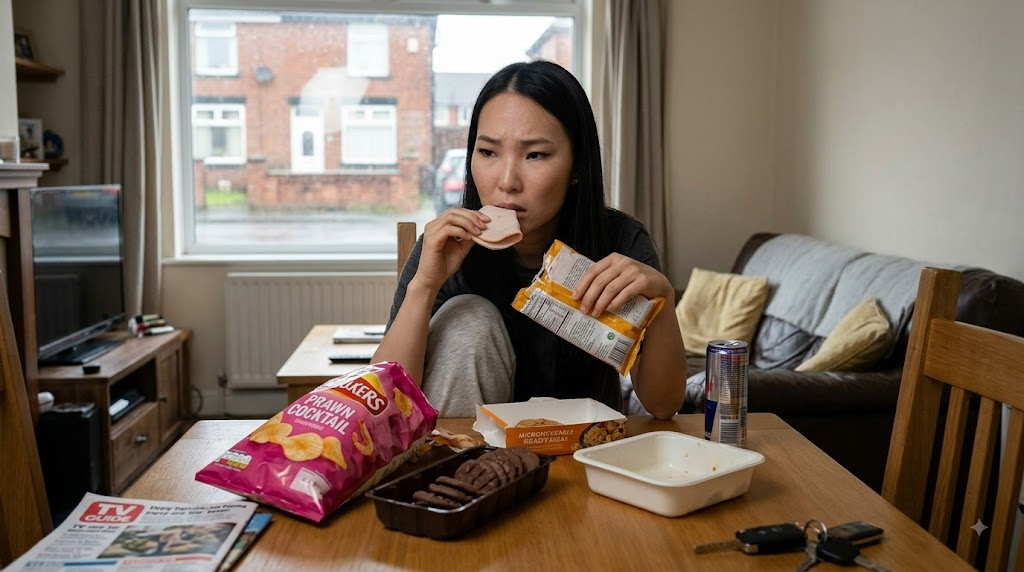
Every supermarket aisle now seems to have something boasting about its protein content, from breakfast bars to yoghurts to sliced bread. Prices climb alongside the claims, and packaging gets busier with numbers, yet few people stop to ask whether they actually need any of it. Fitness culture treats extra protein as an automatic win, but an ordinary appetite does not always call for more, whatever the label promises.
Many people wonder “Is changing to a high protein diet healthy when everyday routines demand basic wellness rather than intense athletic conditioning?” According to figures published by Nutrition, people in the UK, on average, consume more protein than standard requirements; men eat about 85g and women about 67g of protein a day. For most people living an ordinary, non-athletic lifestyle, this means switching to a high-protein diet is unlikely to make meals any healthier, since typical eating patterns already cover the body’s protein needs.
The Craving Behind The Trend
Protein helps your body heal, build muscle, support metabolic function, and keep your metabolism working ideally, while helping you stay full to manage weight. Smoothies with almond butter, Greek yoghurt, and roasted chickpeas are a healthy choice.
Some corners of the fitness industry lean heavily into concerns about not getting enough protein, and food companies have responded by reformulating products and pricing them at a premium. Big numbers on packages look good, but most people do not need that much protein every day.
Social media influencers usually promote heavy meals and extra powder supplements. This consistent online messaging makes regular shoppers feel like their normal home cooking is not healthy enough. Understanding these marketing tactics can help people make their own real food choices.
Dr Federica Amati, a nutrition lecturer at Imperial College London and head nutritionist at the health platform Zoe, has said dietary protein supplements are not necessary for the vast majority of people, since typical UK diets already provide enough protein for everyone except a small number of groups, such as elite athletes or those recovering from illness.
Finding Your Ideal Daily Requirement
When planning balanced meals, individuals often stop to ask themselves, “how much protein do I need to stay healthy without overdoing it?” Your protein needs mainly rely on your weight, age, and physical activity level.
A British Heart Foundation report found that adults in the UK are generally advised to eat about 0.75 grams of protein per kilogram of body weight each day. This works out to around 45 grams for women and 55 grams for men. Understanding these baseline targets helps prevent unnecessary overeating.
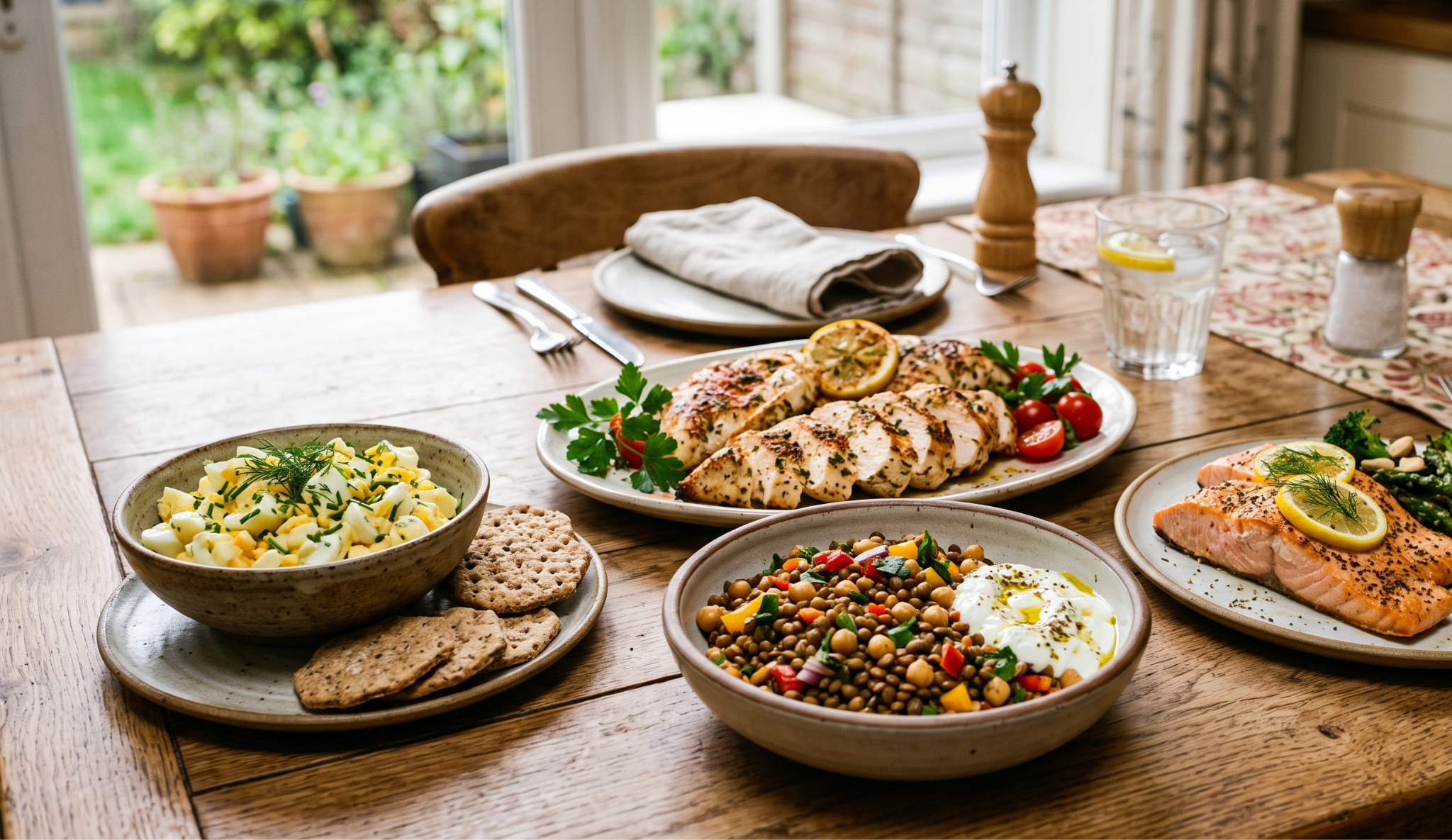
People who exercise a lot and older adults might need a bit more protein to keep their muscles strong.Protein needs also shift depending on the rest of the diet. Someone eating mostly plant-based meals may need to combine different sources, such as beans, grains and nuts, across the day to get the same range of amino acids that meat or dairy provide in a single serving. You can easily meet these requirements by eating healthy, whole foods. For example, eggs on wholemeal toast for breakfast and a chicken salad for lunch give you all the nutrients you need without any special supplements.
Weighing Up Popular Powders and Shakes
When people have busy schedules, they often use fast drinks to replace meals because they are easy. Before buying shelf-stable supplements, consumers frequently ask, “are protein shakes good for you compared to traditional whole foods?” Busy professionals or active individuals can find portable nutrition helpful after intense activity.
Many processed drinks have artificial sweeteners, thickeners, and a lot of added sugar. Eating whole foods such as fish, lentils, and dairy is a better way to get nutrients. Whole foods have important vitamins, minerals, and fibre that you cannot get from processed powders.
None of this makes shakes harmful across the board. The real distinction is between using one occasionally to fill a genuine gap, and relying on fortified bars, powders or drinks at every meal or snack, where unnecessary added protein, sugar and cost start to add up.
The Hidden Costs of Overconsumption
Eating too much protein can cause unexpected physical issues. A 2026 British Dietetic Association report found that people between 19 and 74 years old often eat up to 57% more protein than recommended. Anyone asking “can you eat too much protein before experiencing negative physical effects” should know that consistently high intakes make the kidneys and liver work harder to process the extra waste products, and can bring on dehydration, digestive discomfort and bloating over time.
Focusing too much on protein can also mean you do not eat enough of other important foods. For example, high-protein fitness bars often don’t have enough plant-based fibre, which can add to that bloated, uncomfortable feeling.
Similarly, asking, “can you have too much protein if your main goal is simply managing body weight?” highlights the reality of total calorie balance. Also, any additional energy your body does not use gets stored as fat. It doesn’t matter if that energy comes from lean chicken or sugary treats.
Simple Guidelines For Healthy Balance
- Base meals around wholesome sources such as fish, beans, tofu, eggs, and lean meats.
- Spread intake evenly across morning, afternoon, and evening meals.
- Pair protein choices with crisp vegetables and whole grains for proper digestion.
- Listen to internal hunger signals rather than tracking numbers on mobile apps.
- Treat protein-fortified snacks as a convenience rather than a requirement if your usual meals already include protein-rich foods.
Getting Past the Protein Hype
Protein remains essential, but excessive intake provides no extra benefit. Good health comes from a balanced variety of wholesome foods that fuel daily energy. Choosing natural ingredients over heavily processed fitness supplements yields far better results. Are you ready to create a healthy eating plan that fits your personal goals? Contact us at Sweet Decadence today to book your personalised nutrition consultation.
How Much Protein Do You Need?
Get a rough daily range based on your weight and activity level.
Your rough daily range
–
This is a general estimate for healthy adults, not personalised medical advice. Speak to a GP or registered dietitian for individual guidance, especially if you’re pregnant, unwell, or managing a health condition. Book a consultation with Sweet Decadence for tailored advice.